Diversity Of Opinions Are Important


My observation over the years is that there is one killer trait that negatively impacts many leaders. Leaders tend to surround themselves with others ---- across many different ethnic, gender, age, etc backgrounds ---- that are very similar to themselves. The fatal flaw is that they lose diversity of opinions when discussing critical issues and strategies. Though very qualified, these similar subordinates essentially become “Yes People” that concur on everything the boss suggests.
That is a very dangerous situation.
Diversity of opinion is important for any discussions regarding issues or strategies. Discussion by its very definition is supposed to be an exchange of differing ideas and perspectives. Diversity of opinion is important in any good decision-making situation. We all have blind spots. If we are lucky, we are aware of our own blind spots. It is important to recognize them in others --- not judgmentally, but recognizing we each have them and need to see perspectives contrary to our blind spots while making decisions.
One of my management / leadership traits was to repeatedly tell my teams that I wanted them to disagree with me. Tell me what they really thought. It was ok to tell me that I was crazy. Challenge the direction we were considering. Challenging an idea should be both respectful, non-emotional, and logical. Different perspectives lead to more solid debate and better decisions. Often as we challenge ideas, we are able to see fallacies in the original direction and make adjustments resulting in a solution that is better attuned to the situation, less risky, and results in each of us adopting a solution knowing its strengths / weaknesses. Discussions often led to a Plan A as the primary direction and a Plan B as a contingency or fallback solution.
A key factor in encouraging the diversity of opinions is that we commit to follow a cardinal rule. This cardinal rule is a principle that I lived by and shared with both my managers and my direct reports.
The cardinal rule is pretty simple. There is a time for discussion and debate. This discussion and debate can be passionate. However, when the debate ends and we have decided on a direction, I expected each of them to fully adopt the direction and begin implementing the direction or decision without malice. Just because it might not have been their preferred direction, the expectation was still their full support and energy in carrying it out. I reserved the right that if we needed to reconsider the direction later due to changing circumstances or unexpected consequences, then we would reconsider. But as long as we had agreed on a direction, I expected everyone to align with it and fully support it.
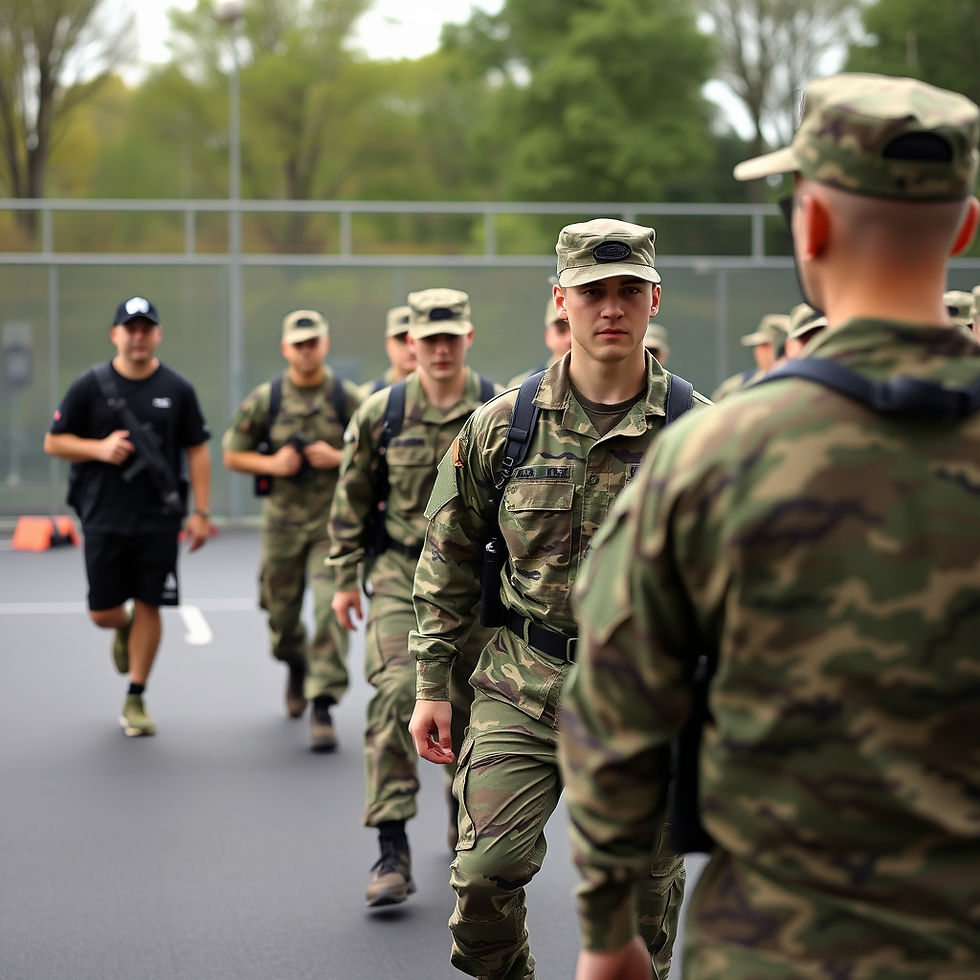
My input to each of my bosses was that part of being a good leader involves also being a good foot soldier. I promised / committed to my managers that I would provide my honest input based on the knowledge that I had on an issue as we debated or discussed a subject. Sometimes I may offer my opinion even if they did not want to hear it because I might have information about which they were not aware. However, I firmly believed and committed that when the discussion ended and we reached a decision, then I would do all that I could to carry out our agreed upon direction.
My managers respected that. Sometimes they allowed me to disagree with them when some of my other peers could not.
My input to my direct reports was similar. I expected them to be good leaders as well as good foot soldiers. We would discuss and debate, sometimes vigorously. However, when we decided on a direction, then I expected them to be good foot soldiers and to carry out the direction we had chosen.
We all have blind spots. If we are lucky, we know our blind spots and challenge our thinking in those areas as we make decisions. Sometimes we are not aware of them and must rely on others to point out the gaps they create in our decision making. Surrounding ourselves with others that think like us can be dangerous and lead to poor decision making. Surrounding ourselves with others that have a different perspective and empowering them to offer those perspectives during discussions and decision making will lead to better decisions and solutions. With that empowerment, also comes responsibility. After the debate ends and decisions reached, each person needs to commit to carrying out the direction wholeheartedly ---- even if it was not their idea or preferred direction.
A good leader is also a good foot soldier.
Comments